About me
I'm Peer Schlieker
an Applied AI student at Offenburg University and machine learning working student at happyhotel.
I work across the full ML/AI/Data engineering stack: data pipelines, MLOps infrastructure, prompt engineering, production deployment. I'm focused on solving problems connected to protecting the natural world.
How I Got Here
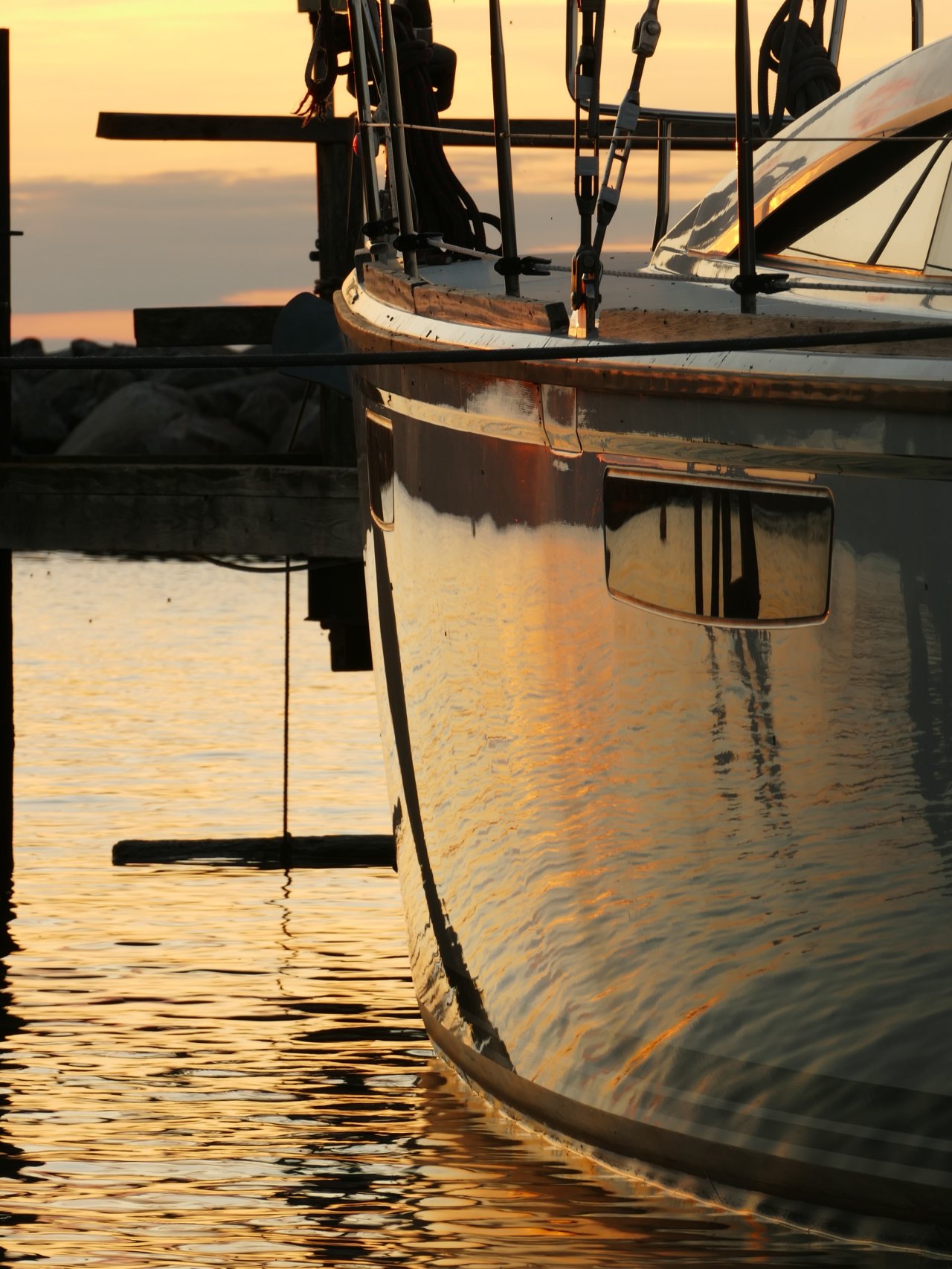
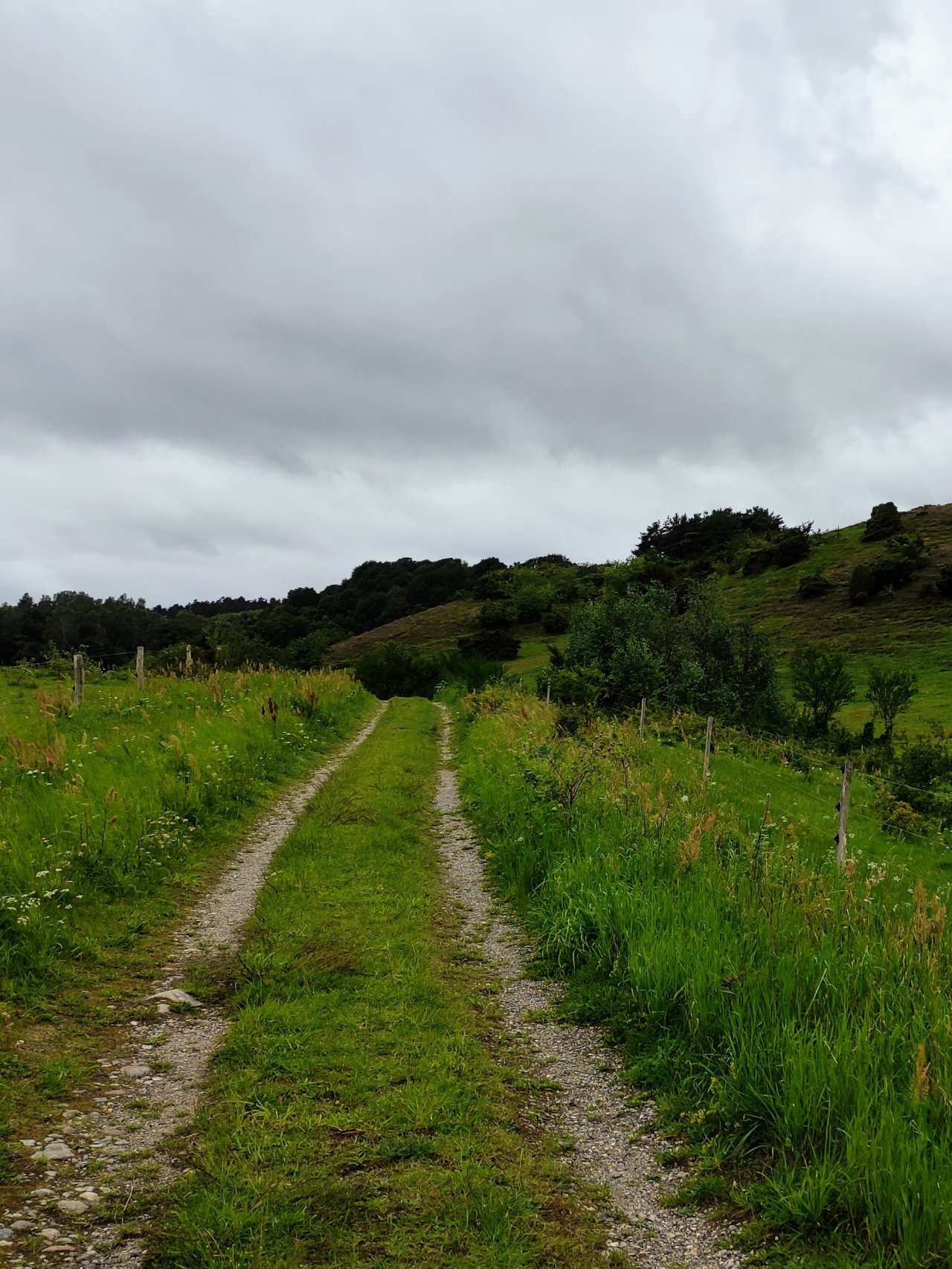
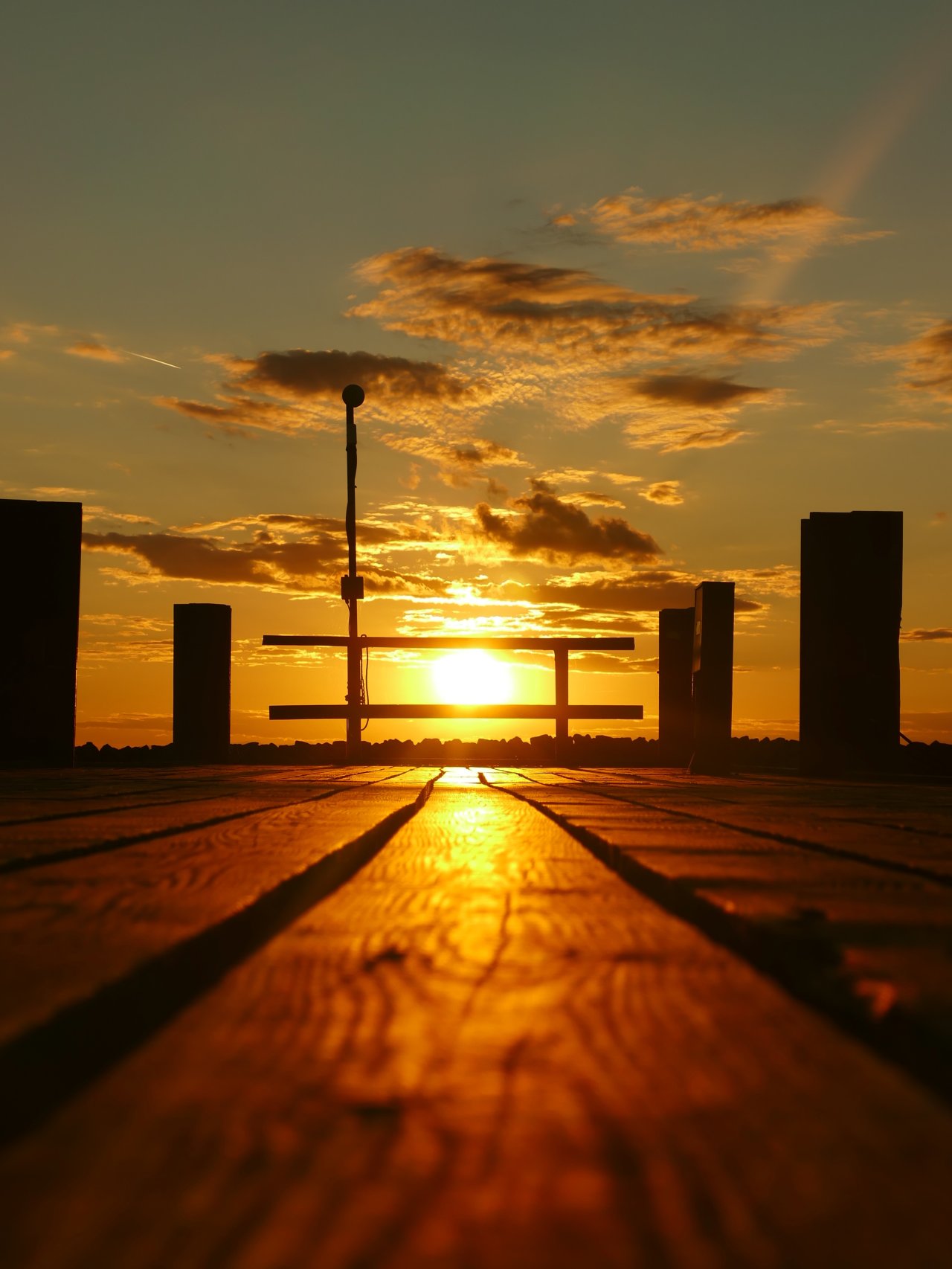
I spend time outdoors. Sailing, bikepacking, hiking through forests. When you're regularly in nature, you notice what problems matter. For me, that means AI applied to ecological challenges.
That focus shaped my decision to build this portfolio and pursue skills deliberately. I'm learning Rust and GIS because they'll matter for the work I want to do. I also explore things like n8n and Optuna when they catch my attention, sometimes curiosity, sometimes because I see the potential. Coursework covers fundamentals; these are the skills I chase on my own terms.
What I Actually Do
At happyhotel, I've worked across the full ML/AI/Data engineering stack for over two years.
My first major project was building a demand forecasting model using market indices. It's now in production and used by customers. Shipping it showed me quickly that getting a model live is kind of the easy part. Keeping it useful and updated is where real love for a project will show.
Since then, I've worked on the infrastructure and foundations that make those models actually work. I've migrated database schemas from dictionaries to Pydantic for type safety and clarity. I've implemented prompt engineering for a graph creation assistant. I've refactored metrics pipelines and worked on MLOps infrastructure.
The work that doesn't always get noticed but keeps everything functioning.
How I Think
I'm drawn to collaborative problem-solving. I work best when I'm thinking through a problem with others: whiteboarding, questioning assumptions, iterating toward a better solution. Code reviews uncover things you completely overlook on your own and push the quality of the work to a different level.
I also understand that meaningful work requires patience and iteration. Code you were proud of half a year ago often needs another look once you understand the problem better and your own skills have moved on. Sometimes halfway through a project you realize your approach needs rethinking. I don’t see that as failure. Adjusting your approach is far better than ending up with something no one can actually use.
What's Next
I'm building a career at the intersection of technical depth and ecological purpose. Right now, that means forest health analysis using satellite data and clustering algorithms. My path will probably take me deeper into applied environmental AI, research, or something unexpected.
If you want to see what I'm working on, check out my projects or GitHub. If you have questions, feel free to reach out.